Human Capital Management: Unlocking Organizational Potential
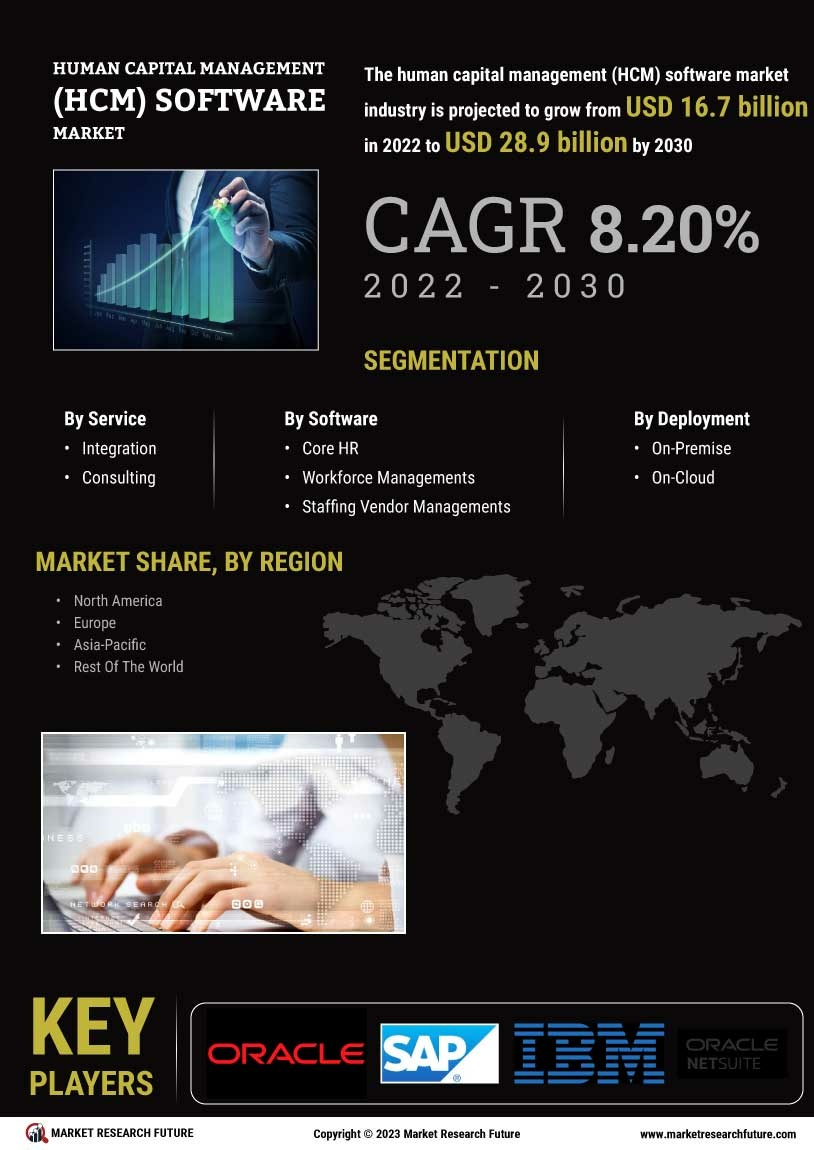
Human Capital Management (HCM) is a strategic approach to managing an organization’s most valuable asset—its people. It encompasses a wide range of practices, including recruitment, onboarding, training, performance management, and employee engagement. The goal of HCM is to optimize workforce productivity, foster a positive work environment, and align employee objectives with organizational goals. Effective HCM ensures that organizations attract, develop, and retain talented individuals capable of driving innovation and growth. By leveraging technology and data analytics, companies can better understand workforce trends, identify skill gaps, and make informed decisions. Ultimately, HCM aims to create a motivated, skilled, and engaged workforce that contributes to sustained business success.
Core Components of Human Capital Management
HCM integrates several critical components that work together to enhance workforce effectiveness. Recruitment and onboarding are the first steps, focusing on attracting and seamlessly integrating new talent. Performance management involves setting clear goals, providing feedback, and evaluating employee contributions regularly. Learning and development ensure continuous skill enhancement aligned with organizational needs. Compensation and benefits provide competitive packages to motivate employees. Employee engagement initiatives foster loyalty and job satisfaction, reducing turnover. Data analytics and HR technology streamline processes, improve decision-making, and personalize employee experiences. These components create a comprehensive framework that supports organizational agility and competitive advantage in a dynamic marketplace.
Benefits of Effective Human Capital Management
Implementing robust HCM practices delivers numerous advantages for organizations. It improves talent acquisition and retention by creating attractive work environments and career development opportunities. Well-managed HCM leads to higher employee engagement, increased productivity, and better overall performance. It also reduces costs associated with turnover and recruitment by fostering loyalty and satisfaction. Additionally, effective HCM supports compliance with labor laws and reduces risk. It enables organizations to adapt swiftly to market changes through workforce agility and strategic planning. Furthermore, data-driven insights from HCM systems facilitate personalized employee experiences and targeted development programs. Overall, investing in HCM creates a resilient, innovative, and competitive organization capable of sustained growth.
Challenges in Human Capital Management
Despite its benefits, HCM faces several challenges that organizations must address. Managing a diverse and global workforce requires understanding different cultural, legal, and economic contexts. Data privacy and security are critical concerns with the increasing reliance on digital HR systems. Resistance to change and employee skepticism can hinder the implementation of new HR technologies and processes. Additionally, aligning HR strategies with overall business objectives demands continuous effort and leadership commitment. Budget constraints and resource allocation may limit the scope of HCM initiatives. Lastly, maintaining employee engagement and adapting to rapid technological advancements require agility and ongoing learning. Overcoming these challenges is vital for maximizing the potential of human capital and ensuring organizational resilience.
Future Trends in Human Capital Management
The future of HCM is poised to be shaped by technological innovations and evolving workforce expectations. Artificial Intelligence (AI) and machine learning will enable more predictive analytics, personalized learning experiences, and automated administrative tasks. Remote work and flexible arrangements will become standard, requiring new strategies for engagement and collaboration. People analytics will play a crucial role in understanding employee behavior and optimizing talent management. Additionally, emphasizing diversity, equity, and inclusion will be central to building innovative and resilient teams. Continuous learning platforms and upskilling initiatives will be vital to keep pace with rapid technological changes. As organizations recognize employees as strategic partners, HCM will become more holistic, focusing on well-being, purpose, and agility to sustain competitive advantage.
Source:
https://www.marketresearchfuture.com/reports/human-capital-management-market-2485 Human Capital Management: Unlocking Organizational Potential
Human Capital Management (HCM) is a strategic approach to managing an organization’s most valuable asset—its people. It encompasses a wide range of practices, including recruitment, onboarding, training, performance management, and employee engagement. The goal of HCM is to optimize workforce productivity, foster a positive work environment, and align employee objectives with organizational goals. Effective HCM ensures that organizations attract, develop, and retain talented individuals capable of driving innovation and growth. By leveraging technology and data analytics, companies can better understand workforce trends, identify skill gaps, and make informed decisions. Ultimately, HCM aims to create a motivated, skilled, and engaged workforce that contributes to sustained business success.
Core Components of Human Capital Management
HCM integrates several critical components that work together to enhance workforce effectiveness. Recruitment and onboarding are the first steps, focusing on attracting and seamlessly integrating new talent. Performance management involves setting clear goals, providing feedback, and evaluating employee contributions regularly. Learning and development ensure continuous skill enhancement aligned with organizational needs. Compensation and benefits provide competitive packages to motivate employees. Employee engagement initiatives foster loyalty and job satisfaction, reducing turnover. Data analytics and HR technology streamline processes, improve decision-making, and personalize employee experiences. These components create a comprehensive framework that supports organizational agility and competitive advantage in a dynamic marketplace.
Benefits of Effective Human Capital Management
Implementing robust HCM practices delivers numerous advantages for organizations. It improves talent acquisition and retention by creating attractive work environments and career development opportunities. Well-managed HCM leads to higher employee engagement, increased productivity, and better overall performance. It also reduces costs associated with turnover and recruitment by fostering loyalty and satisfaction. Additionally, effective HCM supports compliance with labor laws and reduces risk. It enables organizations to adapt swiftly to market changes through workforce agility and strategic planning. Furthermore, data-driven insights from HCM systems facilitate personalized employee experiences and targeted development programs. Overall, investing in HCM creates a resilient, innovative, and competitive organization capable of sustained growth.
Challenges in Human Capital Management
Despite its benefits, HCM faces several challenges that organizations must address. Managing a diverse and global workforce requires understanding different cultural, legal, and economic contexts. Data privacy and security are critical concerns with the increasing reliance on digital HR systems. Resistance to change and employee skepticism can hinder the implementation of new HR technologies and processes. Additionally, aligning HR strategies with overall business objectives demands continuous effort and leadership commitment. Budget constraints and resource allocation may limit the scope of HCM initiatives. Lastly, maintaining employee engagement and adapting to rapid technological advancements require agility and ongoing learning. Overcoming these challenges is vital for maximizing the potential of human capital and ensuring organizational resilience.
Future Trends in Human Capital Management
The future of HCM is poised to be shaped by technological innovations and evolving workforce expectations. Artificial Intelligence (AI) and machine learning will enable more predictive analytics, personalized learning experiences, and automated administrative tasks. Remote work and flexible arrangements will become standard, requiring new strategies for engagement and collaboration. People analytics will play a crucial role in understanding employee behavior and optimizing talent management. Additionally, emphasizing diversity, equity, and inclusion will be central to building innovative and resilient teams. Continuous learning platforms and upskilling initiatives will be vital to keep pace with rapid technological changes. As organizations recognize employees as strategic partners, HCM will become more holistic, focusing on well-being, purpose, and agility to sustain competitive advantage.
Source: https://www.marketresearchfuture.com/reports/human-capital-management-market-2485








 English
 Arabic
 French
 Spanish
 Portuguese
 Deutsch
 Turkish
 Italiano
 Russian
 Romaian
 Portuguese (Brazil)
 Greek
Greek