


Mastering Hand & Power Tools: Tips, Selection & Care
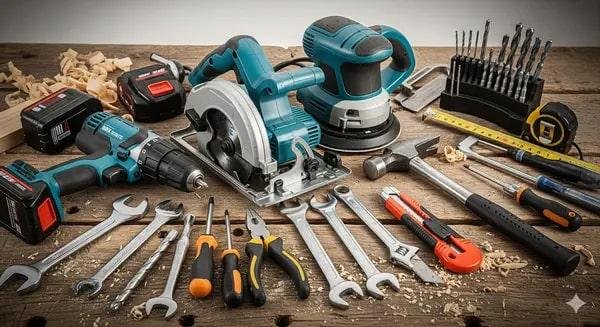
Whether you're tackling a home renovation, building a workshop, or doing routine repairs, success depends heavily on having the right hand & power tools. Good tools amplify your effort, increase precision, and reduce frustration. Poor tools waste time, degrade quality, and break down. In this guide, you'll learn how to pick the right tools, use them effectively, maintain them, and build a toolbox that lasts.
Why Both Hand and Power Tools Matter
Hand tools and power tools complement each other. Hand tools—hammers, wrenches, pliers, screwdrivers—offer control, simplicity, and reliability. They don’t need power or batteries and are often essential for fine adjustments or delicate work. Power tools—drills, saws, grinders, sanders—bring speed, force, and efficiency, especially for heavy or repetitive tasks. Together, hand & power tools give you versatility: power where needed, finesse where it matters.
Core Categories of Essential Tools
When assembling a toolkit, focus on tool types that cover broad use:
-
Cutting & Shaping Tools: Hand saws, utility knives, chisels; power saws, routers, angle grinders.
-
Fastening & Assembly Tools: Screwdrivers, wrenches, pliers; impact drivers and cordless drills.
-
Measuring & Layout Tools: Tape measures, levels, squares, marking tools.
-
Surface Finishing Tools: Files, sandpaper; orbital sanders, belt sanders.
-
Demolition & Heavy Tasks: Pry bars, hammers, hand grinders; reciprocating saws, rotary hammers.
-
Electrical & Power Delivery Tools: Extension cords, power strips, battery chargers, cord reels.
A balanced toolbox contains at least one tool from each category so most projects are covered.
How to Select the Right Tools
Choosing high-quality hand & power tools means considering several factors:
Material & Build Quality: Look for hardened or heat-treated metals, reinforced joints, ergonomic grips, precision tolerances. A weak hinge or cheap metal is a liability.
Power Source & Compatibility: Corded tools deliver steady power. Cordless tools give mobility—check battery ecosystem. If you already own batteries from a certain line, tool compatibility matters.
Ergonomics & Balance: A tool that feels natural and balanced reduces fatigue and improves control, especially in extended use.
Features & Adjustability: Speed settings, torque settings, variable controls, safety features, quick-change systems—these elevate utility beyond basic use.
Ease of Maintenance: Tools with accessible parts, replaceable wear components, and cleaning access last longer. Avoid sealed designs you can’t service.
Warranty & Support: A good warranty and parts support show confidence in the tool’s longevity.
Safe & Effective Usage Practices
Using tools safely and effectively prevents mistakes and extends life:
Wear appropriate safety gear—gloves, goggles, hearing protection. Always secure the workpiece before cutting or driving. Use the correct speed or torque settings. Let the tool do the work—don’t force it. Keep power cords, blades, and bits clear of debris. Use proper direction and alignment to avoid kickback or binding. When switching accessories, always power off and disconnect. Be mindful of surroundings—walls, wiring, pipes, others in the area.
Maintenance & Care to Extend Tool Life
Even excellent hand & power tools need care. Clean them after each use—remove dust, debris, residue. Lubricate moving parts. Sharpen cutting edges. Replace worn components (blades, belts, brushes). Store tools in a dry, organized space to prevent rust or accidental damage. Check fasteners and joints periodically. For cordless tools, maintain batteries properly (charge cycles, storage conditions). Regular maintenance keeps your tools reliable and ready.
Building Your Toolkit Gradually
You don’t need every advanced tool at once. Begin with a core set: a dependable hammer, adjustable wrench, basic screwdriver set, utility knife, tape measure, level, and a good cordless drill. As you do more work, add saws, sanders, specialty bits, and accessories. Choose tools based on your projects—if you build stuff, get a table saw or miter saw; if you do metalwork, invest in grinders or a welder later. This incremental approach ensures your tool investments match real needs.
Common Mistakes & How to Avoid Them
Don’t let early errors cost you tools, time, or safety:
Using the wrong tool for a job (e.g. forcing a screwdriver to work as a chisel). Overloading or overheating tools. Neglecting maintenance until failure. Using dull bits or blades rather than replacing them. Storing tools in damp or cluttered areas. Ignoring safety procedures. These mistakes degrade performance and shorten tool life.

 English
 Arabic
 French
 Spanish
 Portuguese
 Deutsch
 Turkish
 Dutch
Dutch
 Italiano
 Russian
 Romaian
 Portuguese (Brazil)