


RU Cross Roller Bearing Failures Reduce Precision Fast
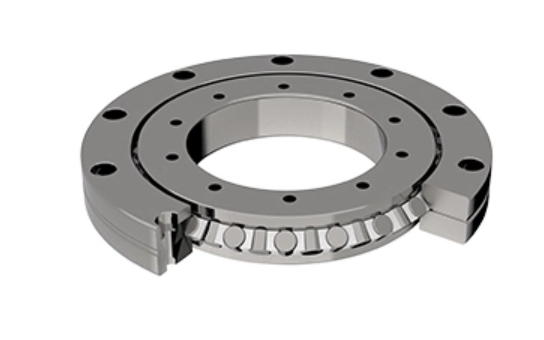
Industrial automation systems, CNC machinery, and robotic equipment all depend on stable rotational accuracy and reliable load handling. In these precision-driven environments, even small mechanical instability can reduce operational efficiency and increase maintenance costs. One of the most common hidden causes behind machine instability is RU cross roller bearing failure.
Many businesses experience repeated positioning errors, vibration problems, overheating, or robotic instability without identifying the real mechanical issue. Bearings are replaced repeatedly, but the same failures continue because the root cause is never corrected. In most cases, the problem comes from contamination, incorrect preload, lubrication failure, or improper installation.
Companies searching for RU cross roller bearing solutions are usually trying to solve automation downtime, precision loss, unstable rotational movement, or early component wear. Understanding why these failures occur is critical for improving machine reliability and reducing operational risk.
This guide explains the most common RU cross roller bearing problems, their warning signs, and the best preventive solutions for industrial applications.
Why RU Cross Roller Bearings Are Important
RU cross roller bearings are specifically designed for applications requiring high rigidity, compact design, and accurate rotational movement. Their internal roller arrangement allows them to support radial, axial, and moment loads simultaneously while maintaining stable rotational precision.
Because of their high rigidity and accuracy, these bearings are commonly used in:
- Industrial robotics
- CNC rotary tables
- Semiconductor equipment
- Medical imaging systems
- Precision automation systems
- Aerospace equipment
- Inspection machinery
- Precision positioning devices
These applications demand stable movement and low vibration performance. Even small bearing defects can affect machine accuracy significantly.
Common Causes of RU Cross Roller Bearing Failure
Most bearing failures develop gradually because of operational errors or maintenance issues. Identifying these causes early helps businesses avoid expensive downtime.
Contamination
Dust, moisture, coolant particles, and metal debris entering the bearing system create internal surface damage. Contamination increases friction and accelerates wear.
Incorrect Preload Adjustment
RU cross roller bearings require accurate preload settings. Excessive preload increases heat and friction, while insufficient preload reduces rigidity and positioning accuracy.
Improper Lubrication
Lubrication directly affects bearing temperature and rolling performance. Incorrect lubricant selection or poor lubrication schedules increase surface wear quickly.
Installation Errors
Using excessive mounting force or incorrect installation tools can damage internal raceways immediately.
Misalignment
Improper alignment between shafts and housings creates uneven load distribution, increasing vibration and fatigue stress.
Warning Signs of Bearing Problems
Most industrial systems show clear symptoms before complete bearing failure occurs. Early detection helps maintenance teams reduce repair costs and prevent equipment damage.
Increased Vibration
Abnormal vibration usually indicates internal roller wear, contamination, or uneven load distribution.
Reduced Positioning Accuracy
Robotic systems and rotary tables may lose movement precision when bearing rigidity decreases.
Unusual Noise
Grinding or clicking sounds often signal internal surface damage or contamination.
Heat Buildup
Excessive operating temperature commonly develops because of lubrication problems or preload errors.
Irregular Rotational Movement
Bearings with internal damage may rotate unevenly or produce inconsistent motion.
The Real Cost of Bearing Downtime
Many businesses focus only on bearing replacement costs while ignoring the larger operational impact of machine failure.
RU cross roller bearing problems can cause:
- Production interruptions
- Reduced machining accuracy
- Robotic instability
- Increased maintenance expenses
- Damaged shafts and housings
- Product quality defects
- Delayed manufacturing schedules
- Higher energy consumption
In automated production environments, even short downtime periods can create significant financial losses.
Why Correct Bearing Selection Matters
Selecting the correct RU cross roller bearing is essential for long-term machine reliability. Many companies choose bearings based only on dimensions instead of actual operating conditions.
Important selection factors include:
- Load capacity
- Rotational speed
- Rigidity requirements
- Precision accuracy class
- Operating temperature
- Contamination exposure
- Lubrication compatibility
- Installation configuration
Using the wrong bearing specification often causes premature failure even when maintenance procedures are correct.
Best Practices to Extend Bearing Lifespan
Industrial businesses can improve bearing reliability significantly by following preventive maintenance strategies.
Maintain Clean Operating Conditions
Contamination prevention is critical for protecting internal rolling surfaces and lubrication systems.
Use Proper Lubrication Schedules
Lubrication intervals should match machine operating speed, load conditions, and environmental exposure.
Monitor Machine Performance
Predictive maintenance systems help detect vibration and temperature abnormalities before critical failure develops.
Verify Alignment Regularly
Precision alignment reduces uneven loading and internal stress.
Use Controlled Installation Procedures
Proper mounting tools improve preload accuracy and reduce installation damage.
How Predictive Maintenance Prevents Failure
Modern industries increasingly use predictive maintenance systems to reduce unexpected downtime. These systems identify developing problems before major damage occurs.
Common predictive monitoring methods include:
- Vibration analysis
- Thermal imaging
- Acoustic monitoring
- Lubrication condition analysis
- Real-time sensor monitoring
Businesses using predictive maintenance often achieve lower repair costs and longer equipment lifespan.
Industries That Depend on RU Cross Roller Bearings
RU cross roller bearings are essential for industries requiring precision rotational movement and high rigidity.
Key applications include:
- Robotics systems
- CNC machining centers
- Semiconductor manufacturing
- Medical equipment
- Aerospace systems
- Precision automation equipment
- Rotary indexing systems
- Inspection machinery
In these industries, even minor instability can reduce product quality and production efficiency.
Conclusion
RU cross roller bearing failures rarely happen without warning. Most problems begin with contamination, lubrication issues, preload errors, or improper installation practices that gradually reduce rotational precision and machine stability.
Businesses that focus on preventive maintenance, proper bearing selection, and precision installation procedures can reduce downtime significantly. Long-term equipment reliability depends on maintaining clean operating conditions, monitoring vibration levels, and using bearing systems designed specifically for precision industrial applications.
For manufacturers focused on automation efficiency and production accuracy, improving RU cross roller bearing reliability is one of the most effective ways to reduce maintenance costs and maintain stable operational performance.

 English
 Arabic
 Spanish
 Portuguese
 Deutsch
 Turkish
 Dutch
Dutch
 Italiano
 Russian
 Romaian
 Portuguese (Brazil)
 Greek
Greek