


Aluminum Spot Welder: Precision Joining Solutions for Modern Manufacturing
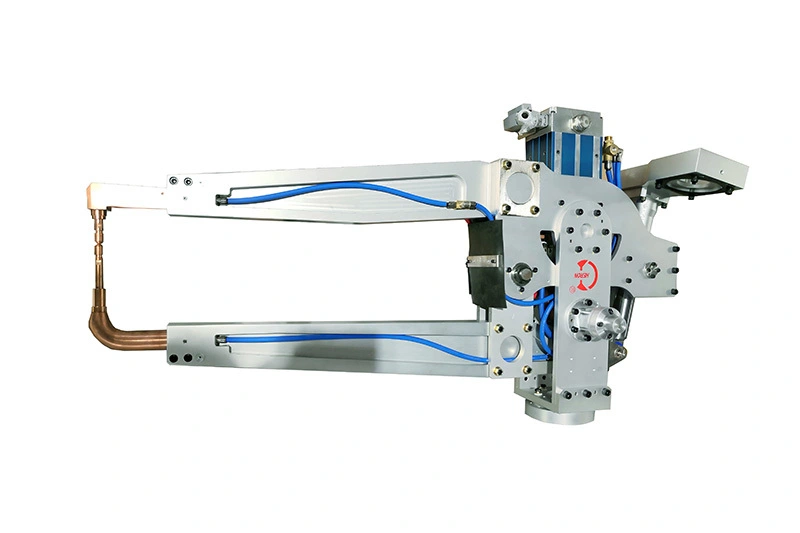
In today’s advanced manufacturing environment, joining aluminum efficiently and reliably is critical. Aluminum’s lightweight properties make it ideal for automotive, aerospace, and industrial applications, but its unique conductivity and thermal characteristics can challenge conventional welding methods. That’s where an aluminum spot welder comes into play offering precision, speed, and repeatability for high-volume production.
At Heron Welder, we specialize in cutting-edge industrial welding and metal-joining solutions, including advanced resistance welding machines designed specifically for aluminum and other conductive metals.
Understanding Aluminum Spot Welding
Aluminum spot welding is a form of resistance welding, where electrical current passes through metal sheets at controlled pressure, generating localized heat that melts the contact point to form a strong weld. Unlike steel, aluminum has a higher thermal conductivity and lower melting point, which requires specialized control over current, electrode force, and timing to achieve consistent welds without defects.
Key Principles of Aluminum Spot Welding
-
Electrical Resistance Heating – Aluminum’s low electrical resistance compared to steel requires higher currents or longer weld times to generate sufficient heat at the weld nugget.
-
Electrode Force – Proper pressure ensures intimate contact between sheets and stabilizes the molten weld pool. Too little force causes weak welds; too much can deform sheets.
-
Precise Timing – Advanced controllers, such as those offered by Heron, allow millisecond-level timing adjustments to optimize weld quality and prevent expulsion or voids.
Applications of Aluminum Spot Welders
Aluminum spot welders are widely used across industries where lightweight, high-strength components are required. Typical applications include:
-
Automotive Manufacturing – Joining aluminum body panels, structural components, and battery enclosures in electric vehicles.
-
Aerospace Components – Assembly of lightweight aircraft structures where precision and consistency are critical.
-
Industrial Equipment – Fabrication of aluminum enclosures, frames, and machinery components.
-
Consumer Electronics – Spot welding thin aluminum sheets for casings, frames, and heat sinks.
Using a purpose-built aluminum spot welder ensures repeatable weld quality, reduces scrap, and supports automated production lines for high throughput.
Choosing the Right Aluminum Spot Welder
Selecting the right equipment requires consideration of several factors:
1. Material Thickness
Aluminum sheets can range from 0.3 mm to over 3 mm in thickness. Thicker sheets require higher current, larger electrodes, and precise control over weld time. Heron’s MFDC and capacitor discharge spot welders are designed to handle a wide range of thicknesses with optimal energy efficiency.
2. Production Volume
High-volume assembly lines demand robust and automated solutions. Heron provides robot-integrated spot welding systems capable of hundreds of welds per hour while maintaining consistent quality.
3. Electrode Design
Aluminum welding often requires specialized electrode tips to prevent sticking and excessive wear. Heron engineers customize electrodes for different sheet sizes, alloys, and production environments.
4. Automation Integration
Modern factories rely on automated production lines to improve speed and reduce labor costs. Aluminum spot welders can be seamlessly integrated with robotics, conveyors, and quality inspection systems to create fully automated welding cells.
Advantages of Using Heron Aluminum Spot Welders
Choosing Heron for aluminum spot welding provides manufacturers with:
-
High Precision & Repeatability – Accurate current and force control for defect-free welds.
-
Energy Efficiency – Advanced MFDC technology reduces energy consumption compared to traditional AC welders.
-
Customization – Tailored welding solutions, electrodes, and controllers for specific production needs.
-
Comprehensive Support – Global service network, technical consultation, and automation expertise.
Best Practices for Aluminum Spot Welding
-
Proper Surface Preparation – Clean sheets free from oxide layers and oil improve weld quality.
-
Use of Correct Welding Parameters – Adjust current, pressure, and weld time based on sheet thickness and alloy.
-
Electrode Maintenance – Regular dressing and inspection prevent sticking and ensure consistent welds.
-
Monitor Weld Quality – Utilize real-time weld monitoring systems to detect anomalies and reduce scrap.
Following these practices maximizes weld strength, reduces production downtime, and extends electrode life.
Aluminum Spot Welder vs. Steel Spot Welder
While the fundamental principle of resistance welding remains the same, welding aluminum presents unique challenges compared to steel:
| Feature | Aluminum | Steel |
|---|---|---|
| Electrical Conductivity | High (requires more current) | Lower |
| Thermal Conductivity | High (quick heat dissipation) | Moderate |
| Weld Nugget Formation | Shorter time to avoid expulsion | Easier to control |
| Electrode Wear | Faster, requires specialized tips | Slower, standard tips often sufficient |
Understanding these differences ensures that manufacturers select equipment and parameters optimized for aluminum, avoiding weak welds or production issues.
FAQs About Aluminum Spot Welders
Q1: Can aluminum spot welders handle different aluminum alloys?
Yes, Heron’s welders are configurable for various aluminum alloys, including 1XXX, 3XXX, 5XXX, and 6XXX series, by adjusting current, electrode force, and timing.
Q2: What is MFDC welding, and why is it recommended for aluminum?
MFDC (Medium-Frequency Direct Current) welders deliver precise current control, reducing expulsion and ensuring consistent welds, especially for thin or high-conductivity aluminum sheets.
Q3: How does automation improve aluminum spot welding?
Automation reduces human error, increases throughput, and allows integration with robotic arms for precise positioning, ensuring consistent weld quality in high-volume production.
Q4: What maintenance is required for aluminum electrodes?
Regular dressing, cleaning, and periodic replacement are essential to prevent sticking, improve heat transfer, and maintain weld consistency.
Q5: Can Heron provide custom solutions for specific production needs?
Absolutely. Heron specializes in customized welding systems, including automated lines, specialized electrodes, and controller setups tailored to your manufacturing requirements.
Partner with Heron for Advanced Aluminum Spot Welding
When precision, efficiency, and reliability matter, Heron Welder is your trusted partner for industrial aluminum spot welding solutions. From standalone MFDC welders to fully automated production lines, our team helps manufacturers achieve consistent, high-quality welds while optimizing productivity and reducing costs.
Request a quote today or consult our experts to explore customized aluminum spot welding systems designed specifically for your factory, application, and production goals.

 English
 Arabic
 French
 Portuguese
 Deutsch
 Turkish
 Dutch
Dutch
 Italiano
 Russian
 Romaian
 Portuguese (Brazil)
 Greek
Greek