


Spot Welding Equipment: Essential Solutions for Modern Manufacturing
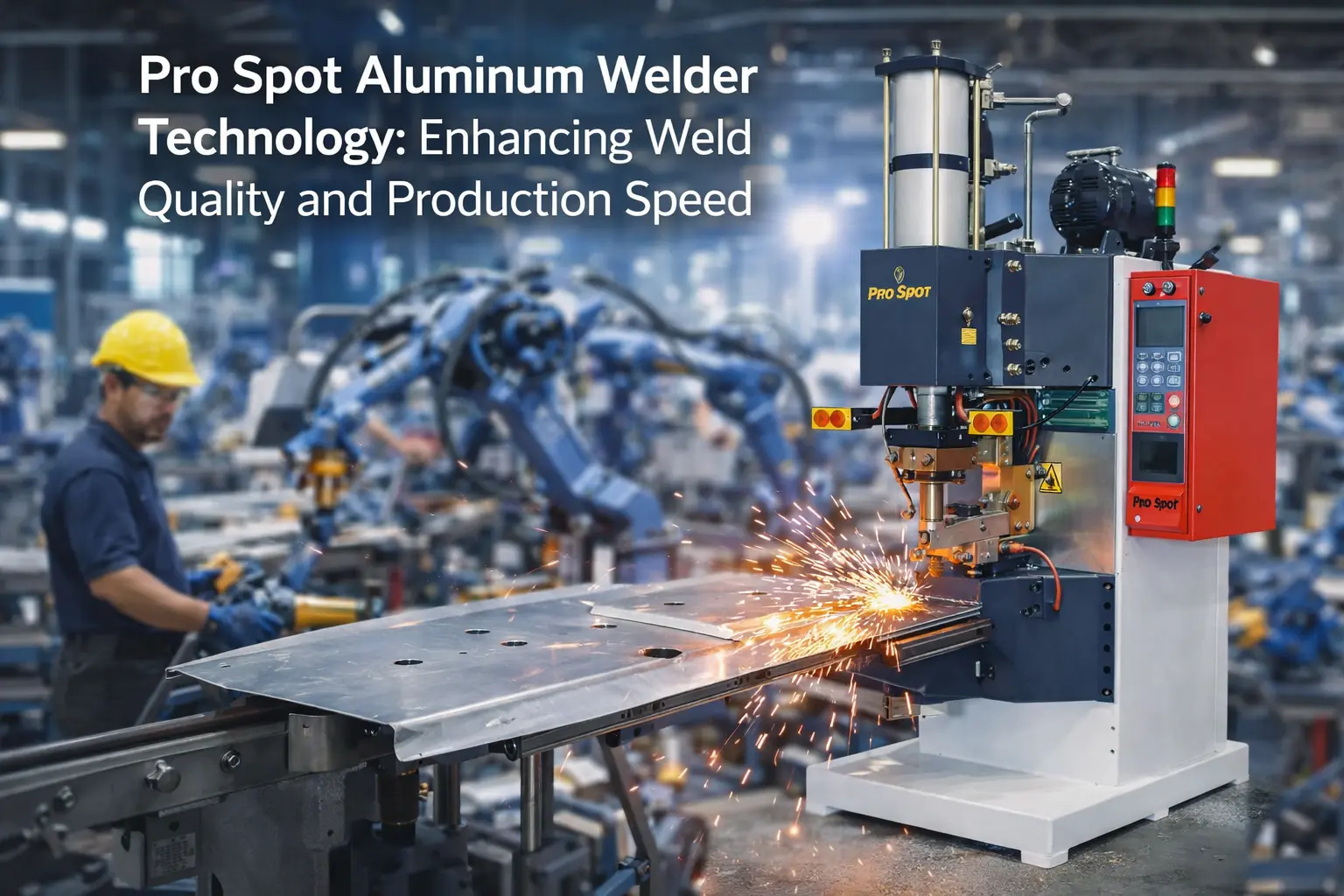
In today’s fast-paced manufacturing environment, efficiency, precision, and reliability are critical. Spot welding equipment has become a cornerstone for industries requiring robust metal-joining processes, from automotive assembly to electronics fabrication. Heron Welder, a global leader in industrial welding and metal-joining solutions, offers advanced spot welding machines, controllers, and automated production systems designed to meet these demands.
In this guide, we’ll explore the principles, applications, advantages, and best practices for spot welding equipment, helping engineers, OEMs, and production managers optimize their operations.
What Is Spot Welding Equipment?
Spot welding is a type of resistance welding where heat generated by electrical resistance fuses metal sheets at localized points, forming strong, permanent joints. The process involves:
-
Electrodes: Copper alloy electrodes conduct current and apply pressure.
-
Current: High electric current flows through the metal sheets at the contact point.
-
Pressure: Mechanical force ensures the metals fuse and form a weld nugget.
-
Cooling: Electrodes dissipate heat rapidly to prevent excessive melting.
Modern spot welding equipment ranges from manual machines for small workshops to fully automated systems integrated into high-speed production lines. Heron’s portfolio includes MFDC spot welders, capacitor discharge systems, and robotic welding cells optimized for precision and efficiency.
Key Applications of Spot Welding Equipment
Spot welding is widely used in industries where sheet metal fabrication is essential. Common applications include:
-
Automotive Manufacturing
Car body assembly relies heavily on spot welding to join steel and aluminum panels efficiently. Heron’s robotic spot welding systems ensure consistent weld quality, even in complex geometries. -
Electronics and Electrical Enclosures
Thin metal sheets in electronic housings or battery packs require precise spot welds. Advanced controllers from Heron allow fine-tuning of current, pressure, and weld time to protect sensitive components. -
Appliances and HVAC Systems
Appliances like washing machines, air conditioners, and refrigerators benefit from strong, reliable welds that withstand vibration and thermal stress. -
Aerospace and Rail Industries
High-strength, lightweight assemblies, such as aluminum airframes or train panels, demand specialized spot welding equipment with MFDC or capacitor discharge technology.
Benefits of Advanced Spot Welding Equipment
Investing in modern spot welding systems offers multiple advantages:
-
Precision and Repeatability: Consistent weld quality reduces scrap and rework.
-
Speed and Productivity: High-speed machines support mass production without compromising strength.
-
Flexibility: Adjustable parameters accommodate various metal types and thicknesses.
-
Integration with Automation: Robotic and automated solutions enhance safety and efficiency.
-
Reduced Operating Costs: Efficient energy use and minimized maintenance extend the lifespan of equipment.
Heron’s spot welding solutions are engineered to deliver all these benefits, helping factories increase throughput while maintaining high-quality standards.
Spot Welding Equipment Comparison
Choosing the right system depends on material type, thickness, and production scale. Key options include:
| Type of Spot Welding Equipment | Best For | Key Features |
|---|---|---|
| MFDC Spot Welders | Thin steel & aluminum sheets | Precise energy control, ideal for lightweight applications |
| Capacitor Discharge Spot Welders | Battery tabs, electronics | Ultra-short weld times, minimal thermal distortion |
| Robotic Spot Welding Cells | Automotive assembly | High-speed, programmable, integrated with conveyors |
| Manual/Bench Spot Welders | Prototyping & low-volume production | Compact, cost-effective, flexible setup |
Heron offers solutions across all categories, ensuring manufacturers can select equipment that fits their production requirements without compromise.
Best Practices for Using Spot Welding Equipment
-
Proper Electrode Maintenance
Worn electrodes reduce weld quality. Regularly dress and replace tips to maintain consistent nugget formation. -
Parameter Optimization
Adjust current, pressure, and weld time according to material type and thickness. Heron controllers make this process user-friendly. -
Surface Preparation
Ensure metal sheets are clean and free from rust or coatings that interfere with electrical conductivity. -
Monitoring and Quality Control
Advanced monitoring systems provide real-time feedback to detect weak welds and maintain production standards. -
Operator Training
Skilled operators or engineers can maximize the performance of automated or MFDC systems, reducing errors and downtime.
FAQs About Spot Welding Equipment
Q1: What materials can spot welding equipment handle?
A: Spot welding works best with steel, stainless steel, and aluminum. Advanced MFDC or capacitor discharge systems also handle thin foils and battery tabs.
Q2: How does spot welding differ from seam welding?
A: Spot welding creates discrete weld points, while seam welding produces continuous welds along a joint. Both are resistance-based but serve different applications.
Q3: Can spot welding be automated?
A: Yes, robotic and automated spot welding systems from Heron integrate seamlessly into production lines, increasing speed, repeatability, and safety.
Q4: How do I maintain electrode life?
A: Regular dressing, cleaning, and alignment checks prevent premature wear and ensure consistent weld quality.
Q5: Is spot welding suitable for aluminum?
A: Absolutely. MFDC spot welders offer precise control of energy and pressure, making aluminum welding efficient and reliable.
Why Choose Heron for Spot Welding Solutions?
Heron Welder combines decades of expertise with innovative technology to deliver high-quality, reliable, and efficient spot welding equipment. From MFDC and capacitor discharge machines to automated production lines, Heron solutions are designed for:
-
OEMs seeking scalable welding solutions
-
Manufacturing engineers aiming to optimize processes
-
Automation integrators requiring system compatibility
-
Factories prioritizing quality, throughput, and cost efficiency
Take the Next Step in Welding Efficiency
Upgrading your production with Heron’s spot welding equipment ensures consistent, high-quality welds across all your metal-joining applications. Request a quote or consult our experts today to explore customized solutions tailored to your manufacturing needs.
Contact Heron Welder now to transform your metal-joining operations with precision, reliability, and efficiency.

 English
 Arabic
 Spanish
 Portuguese
 Deutsch
 Turkish
 Dutch
Dutch
 Italiano
 Russian
 Romaian
 Portuguese (Brazil)
 Greek
Greek